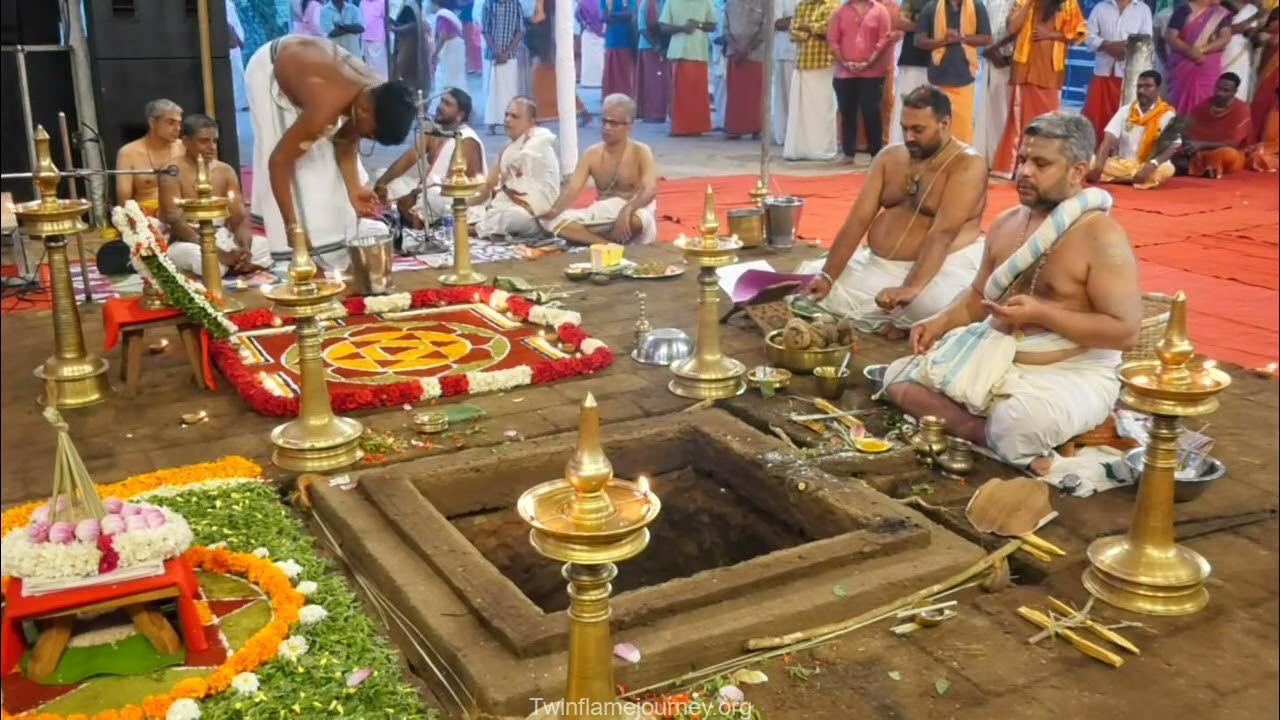
ക്ഷേത്ര ദർശനത്തിൽ പാലിക്കേണ്ട ചിട്ടകള്
ക്ഷേത്രദർശനം കേവലം ഒരു ആചാരമല്ല, മറിച്ച് നമ്മുടെ ആന്തരിക ചൈതന്യത്തെ പ്രപഞ്ചോർജ്ജവുമായി ബന്ധിപ്പിക്കുന്ന ഒരു പുണ്യകർമ്മമാണ് ( Temple Etiquette and Spirituality ) . ഈ ബ്ലോഗ് പോസ്റ്റ് ലോകമെമ്പാടുമുള്ള ആരാധനാലയങ്ങളിൽ പാലിക്കേണ്ട മര്യാദകളെയും അവയുടെ ആത്മീയ പ്രാധാന്യത്തെയും കുറിച്ച് ആഴത്തിൽ പ്രതിപാദിക്കുന്നു. വസ്ത്രധാരണം, ശുദ്ധി, മൗനം എന്നിവ പാലിക്കുന്നതിലൂടെ എങ്ങനെ നമ്മുടെ മനസ്സിനെ ഏകാഗ്രമാക്കാം എന്നും, ക്ഷേത്രത്തിലെ ഓരോ ആചാരങ്ങളും നമ്മുടെ ഊർജ്ജ നിലയെ എങ്ങനെ സ്വാധീനിക്കുന്നു എന്നും ഇവിടെ വിശദീകരിക്കുന്നു. തനിമയാർന്ന ഈ അറിവുകൾ ലോകമെമ്പാടുമുള്ള വിശ്വാസികൾക്കും ആത്മീയ അന്വേഷകർക്കും ഒരുപോലെ ഉപകരിക്കുന്ന രീതിയിലാണ് തയ്യാറാക്കിയിരിക്കുന്നത്. ഈ മാർഗ്ഗനിർദ്ദേശങ്ങൾ പാലിക്കുന്നത് വഴി ഭക്തർക്ക് കൂടുതൽ ആഴത്തിലുള്ള ഒരു ആത്മീയ അനുഭവം കൈവരിക്കാൻ സാധിക്കും. ഇത് വായിക്കുന്നതിലൂടെ ക്ഷേത്ര സംസ്കാരത്തെക്കുറിച്ചും അതിലെ ശാസ്ത്രീയ വശങ്ങളെക്കുറിച്ചും വ്യക്തമായ ഒരു ധാരണ നിങ്ങൾക്ക് ലഭിക്കും.
- തന്നാല് കഴിയാത്ത വഴിപാടുകള് നേര്ന്നിടരുത്.
- ക്ഷേത്രദര്ശനം ആരും ക്ഷണിക്കാതെ തന്നെ പോകണം.
- ക്ഷേത്രദര്ശനത്തിന് വെറും കൈയോടെ പോകരുത്. പൂര്ണ്ണ മനസ്സോടെ വിളക്കിലേക്ക് എണ്ണയോ , കര്പ്പൂരമോ, ഒരു പൂവെന്കിലും സമര്പ്പിക്കണം.
- ക്ഷേത്രമതില് കെട്ടിനകത്ത് പാദരക്ഷകള് ഉപയോഗിക്കരുത്.
- ക്ഷേത്രാചാരങ്ങള്ക്ക് വിരുദ്ധമായ വസ്ത്രങ്ങള് ധരിച്ച് ക്ഷേത്രത്തിനകത്ത് പ്രവേശിക്കരുത്.
- സ്ത്രീകള് മുടി അഴിച്ചിട്ട് ക്ഷേത്രദര്ശനം നടത്തരുത്.
- ദേഹശുദ്ധി വരുത്തിയതിന് ശേഷം ക്ഷേത്രദര്ശനം നടത്തുക. അശുദ്ധിയുള്ള വസ്ത്രങ്ങള് ധരിച്ചും , അശുദ്ധിയുള്ള ഭക്ഷണങ്ങള് കഴിച്ചും ക്ഷേത്രത്തില് പ്രവേശിക്കരുത്.
- പുല, വാലായ്മ ഉള്ളപ്പോൾ ക്ഷേത്ര ദർശനമരുത് .
- വിവാഹ ശേഷം അന്നേ ദിവസം വധൂവരൻമാർ ക്ഷേത്ര ദർശനമരുത്.
- ഋതുമതിയായ സ്ത്രീകൾ ഏഴു ദിവസത്തേക്കും, ഗർഭിണികൾ ഏഴാം മാസം മുതൽ പ്രസവിച്ച് 90 ദിവസം കഴിയും വരെയുo ക്ഷേത്ര ദർശനമരുത്.
- നടക്കുനേരെ നിന്ന് തൊഴരുത്,നടയുടെ ഇരു ഭാഗത്തു നിന്ന് വേണം ദർശനം നടത്തുവാൻ .
- സ്ത്രീകൾ സാഷ്ടാംഗം നമസ്കാരം നടത്തരുത് .
- ക്ഷേത്ര മതിലിനകത്ത് പുകവലിക്കുകയോ, മുറുക്കുകയോ ,തുപ്പുകയോ പാടില്ല.
- കൊഴിഞ്ഞു വീണത്, വാടിയത്, വിടരാത്തത്, കീടങ്ങൾ ഉള്ളത്, മുടിനാരുള്ളത്, മണത്തതോ ആയ പുഷ്പങ്ങൾ ദേവന് സമർപ്പിക്കരുത്.
- ക്ഷേത്രത്തിലേക്കുള്ള പുഷ്പങ്ങൾ, നിവേദ്യ സാധനങ്ങൾ എന്നിവ ദേവന് സമർപ്പിച്ചശേഷം മാത്രം തീർത്ഥവും, പ്രസാദവും സ്വീകരിക്കുക.
- അഭിഷേകം നടക്കുമ്പോൾ പ്രദക്ഷിണം വെക്കരുത്.
- ശാന്തിക്കാരന് സൗകര്യപ്പെടുന്ന സമയം വരെ പ്രസാദത്തിന് ക്ഷമയോടെ കാത്തിരിക്കുക.
- ശാന്തിക്കാരൻ ശ്രീകോവിലിൽ നിന്ന് തിടപ്പിള്ളിയിലേക്കും തിരിച്ചും ഇടയ്ക്കിടയ്ക്ക് പോകേണ്ടതുകൊണ്ട് വഴി ഒതുങ്ങി നിൽക്കണം.
- ആദരവോടെ ദക്ഷിണ കൊടുക്കുന്നതിലൂടെയാണ് വഴിപാട് പൂർണമാകുന്നത്.
- ശാസ്താവിന്റെ മുൻപിൽ കത്തിച്ചു വെച്ച എള്ളുതിരി തൊട്ടു വന്ദിക്കരുത്.
- നിവേദ്യസമയത്തും നട അടച്ചിരിക്കുമ്പോഴും തൊഴരുത് .
- ശ്രീകോവിലിന്റെ ഓവിൽ നിന്നും വരുന്ന തീർത്ഥം വിഗ്രഹവുമായി ബന്ധപ്പെട്ട് ഒഴുകുന്നത് കൊണ്ട് ഓവ് സ്പർശിക്കരുത് . തീർത്ഥം ശാന്തിക്കാരനിൽ നിന്നും സ്വീകരിക്കുക .
- ശിവക്ഷേത്രത്തിൽ പ്രദക്ഷിണം ചെയ്യുമ്പോൾ ഓവ് മുറിച്ച് കടക്കരുത്.
- ക്ഷേത്രത്തിനകത്ത് ശബ്ദം നാമജപത്തിലൂടെ മാത്രം.
The Sacred Protocol: A Global Guide to Temple Etiquette and Spiritual Alignment
Introduction: Why Temple Guidelines Matter
Temples are more than just architectural marvels or places of historical significance; they are energetic powerhouses designed to elevate human consciousness. In many traditions, a temple is considered the physical manifestation of the Divine on Earth. When we enter these sacred spaces, we are not just tourists or casual visitors—we are energetic beings entering a high-vibration field.
To truly benefit from the sanctity of a temple, one must adhere to certain guidelines. These rules are not meant to be restrictive but are designed to help the individual align their personal frequency with the divine resonance of the space. Whether you are visiting a serene temple in the lush landscapes of Kerala or a grand cathedral in Europe, the essence of respect and spiritual preparation remains universal.
The Foundation of Purity (Shaucha)
The first step in any temple visit is physical and mental purification. In many Eastern traditions, this is known as Shaucha. Before stepping into a sanctum, it is customary to bathe and wear fresh clothes. This act serves as a psychological “reset,” signaling to the mind that you are leaving the mundane world behind and entering a realm of divinity.
1. Dress Code: Reflecting Inner Modesty
What we wear reflects our internal state. Most temples across the globe encourage modest attire. In India, traditional wear like dhotis or sarees is preferred because the natural fabrics (like cotton and silk) are believed to be better conductors of spiritual energy.
- Global Standard: Ensure shoulders and knees are covered.
- The Spiritual Why: Modest clothing minimizes distractions and keeps the focus on the internal journey rather than the external form.
2. The Significance of Removing Footwear
Shoes carry the dust and “energy” of the outside world—places of commerce, conflict, and chaos. Removing footwear is a symbolic act of humility. It connects your feet directly with the consecrated earth of the temple, allowing for better grounding.
Internal Conduct: Silence and Devotion
A temple is a space of “Mauna” (silence). The vibration of a temple is often maintained through centuries of chanting and meditation. Loud talking or unnecessary noise disrupts this delicate energetic balance.
3. Mindful Presence
Instead of rushing through the corridors, one should walk slowly and mindfully. Every step in a temple should be a prayer. Avoid using mobile phones; the digital frequency often clashes with the spiritual stillness required for deep connection.
4. The Science of Circumambulation (Pradakshina)
In most ancient temples, devotees walk around the sanctum sanctorum in a clockwise direction. This is not a random walk. By moving clockwise, we align ourselves with the natural movement of the Earth and the rotation of our own energy centers (Chakras). This practice helps in soaking up the positive magnetic fields generated within the temple’s core.
Offerings and Rituals
Bringing an offering—be it a flower, a fruit, or a simple prayer—is an act of “Dakshina” or gratitude. It signifies that you are ready to let go of a part of your ego to receive divine grace.
- Purity of Intent: It is not the value of the offering that matters, but the purity of the heart behind it.
- Respecting Local Customs: Every temple has specific rituals. Always observe or ask a local guide if you are unsure about where to place an offering or how to receive “Prasada” (blessed food).
Connecting with the Divine Energies
For those on a path of spiritual awakening, a temple visit is an opportunity for profound healing. Many seekers find that visiting these high-vibration sites helps in clearing blockages related to past traumas or “Inner Child” wounds. The stillness of the temple allows the “Shadow” aspects of the self to come into the light for healing.
Integrating the Experience
After visiting the main deity, it is a tradition to sit quietly in the temple premises for a few minutes. This is perhaps the most important part of the guidelines. Sitting in silence allows the energy you have gathered to settle within your system. It is during these quiet moments that many receive intuitive insights or “downloads” regarding their life path and relationships.
Conclusion: A Global Responsibility
As we travel and explore the spiritual heritage of the world, we must act as stewards of these sacred spaces. Following guidelines ensures that the sanctity of these locations is preserved for future generations of seekers. When we respect the temple, we respect the Divinity within ourselves.
For more insights into spiritual journeys and energy healing, you can explore the World Spiritual Association or delve into the history of Sacred Architecture to understand the global impact of these holy sites.
Hashtags: #TempleEtiquette #Spirituality #TwinFlameJourney #SacredRituals #SoulAlignment #DivineConnection #GlobalSpirituality #MindfulLiving #TempleTraditions #InnerPeace #VedicWisdom #SpiritualGrowth #HigherConsciousness #SacredSpaces #EnergyHealing #AncientWisdom #Pilgrimage #DivineFeminine #DivineMasculine #SpiritualAwakening
By sharing this knowledge, we help create a world where every spiritual seeker can approach the Divine with the right intent and the proper conduct, leading to a collective awakening of consciousness.